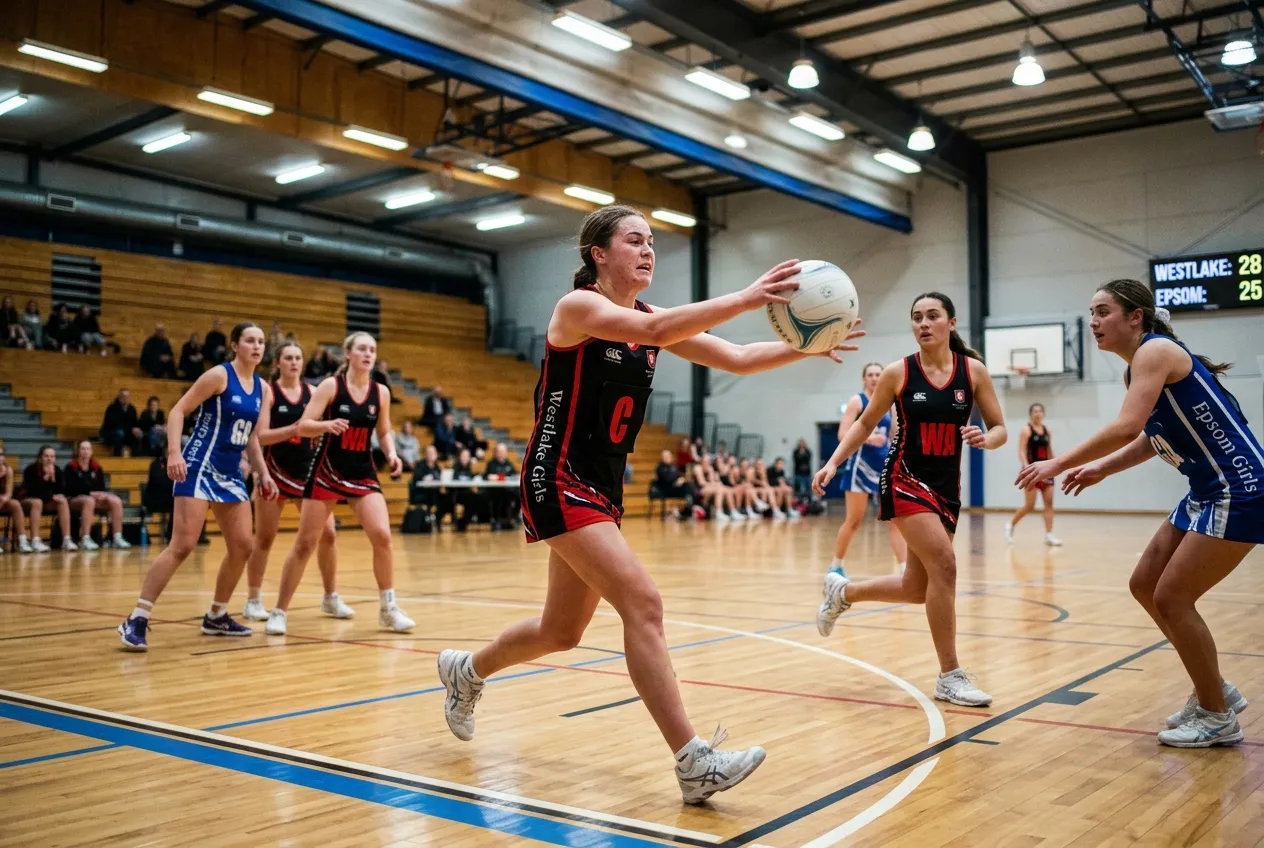
Selection causes more sideline tension than almost anything else in sport. Whether you’re choosing starters, splitting a big group into two teams, or grading for the season, the key is the same: be clear, be consistent, and be able to explain it.
Three types of selection
Weekly selection. Who starts and who plays where this week. For juniors, this should lean heavily on fairness.
Splitting a squad. When a club or school has enough players for two teams. The big question: balanced teams or a stronger and a development team?
Grading or trials. Selecting for a competitive team. This needs clear criteria and communication.
A fair selection process
- Decide the goal. Development, competitiveness or balance? Be honest about it.
- Set criteria. Skills, attendance, attitude, positional needs. Write them down.
- Tell people in advance. Players and parents should know the criteria before selection happens.
- Use more than one observer where you can. It reduces bias.
- Communicate kindly and quickly. Especially with players who miss out.
Balanced teams vs graded teams
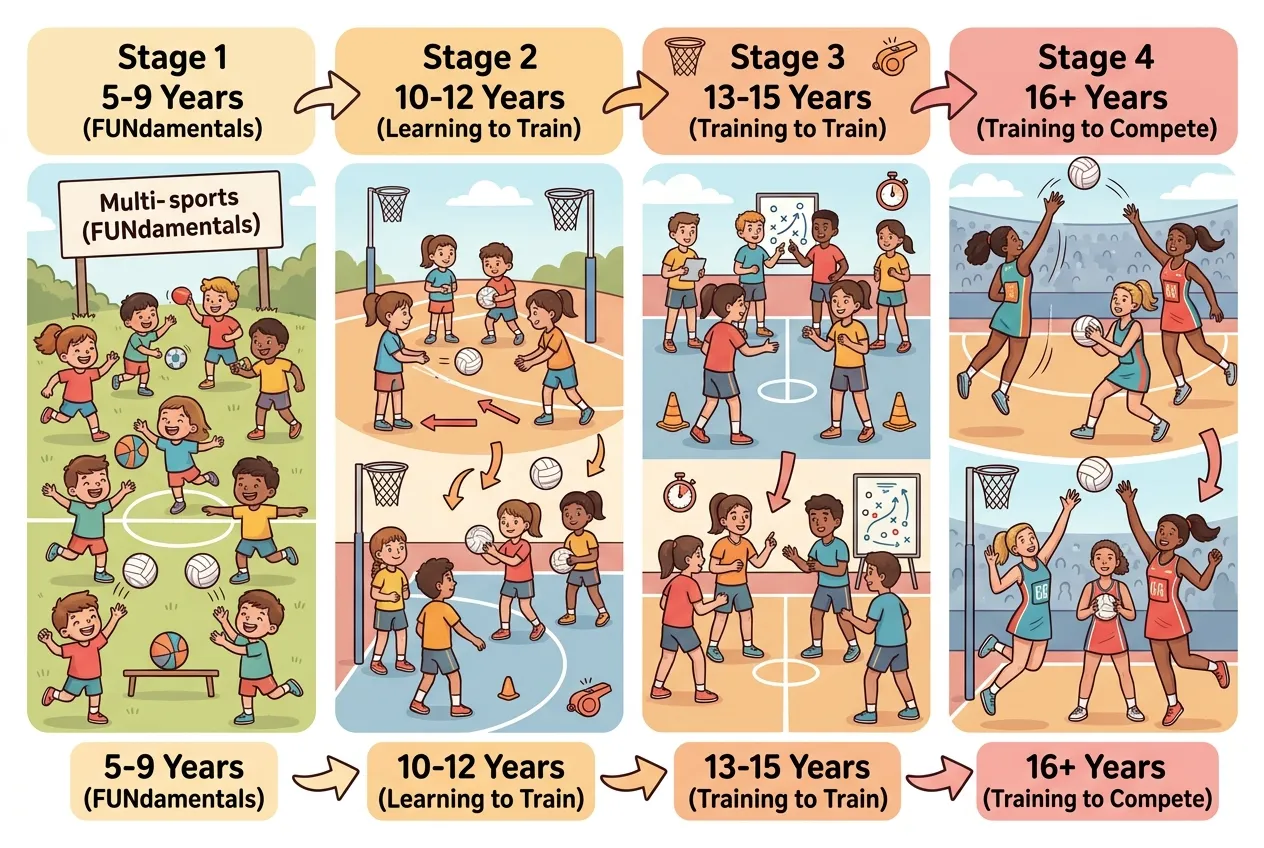
For young players, balanced teams usually mean closer games and more fun for everyone. As players get older, grading can make sense so stronger players are challenged and developing players aren’t overwhelmed. Many schools and clubs do both at different ages.
How Squaddie helps
For weekly selection, Squaddie generates fair lineups from available players and tracks time and positions across the season, so decisions are consistent and explainable. Schools and clubs managing several teams can see all of them in one place.
Make fair selection easier — start free at squaddie.app.