Junior sport in New Zealand: formats and age groups
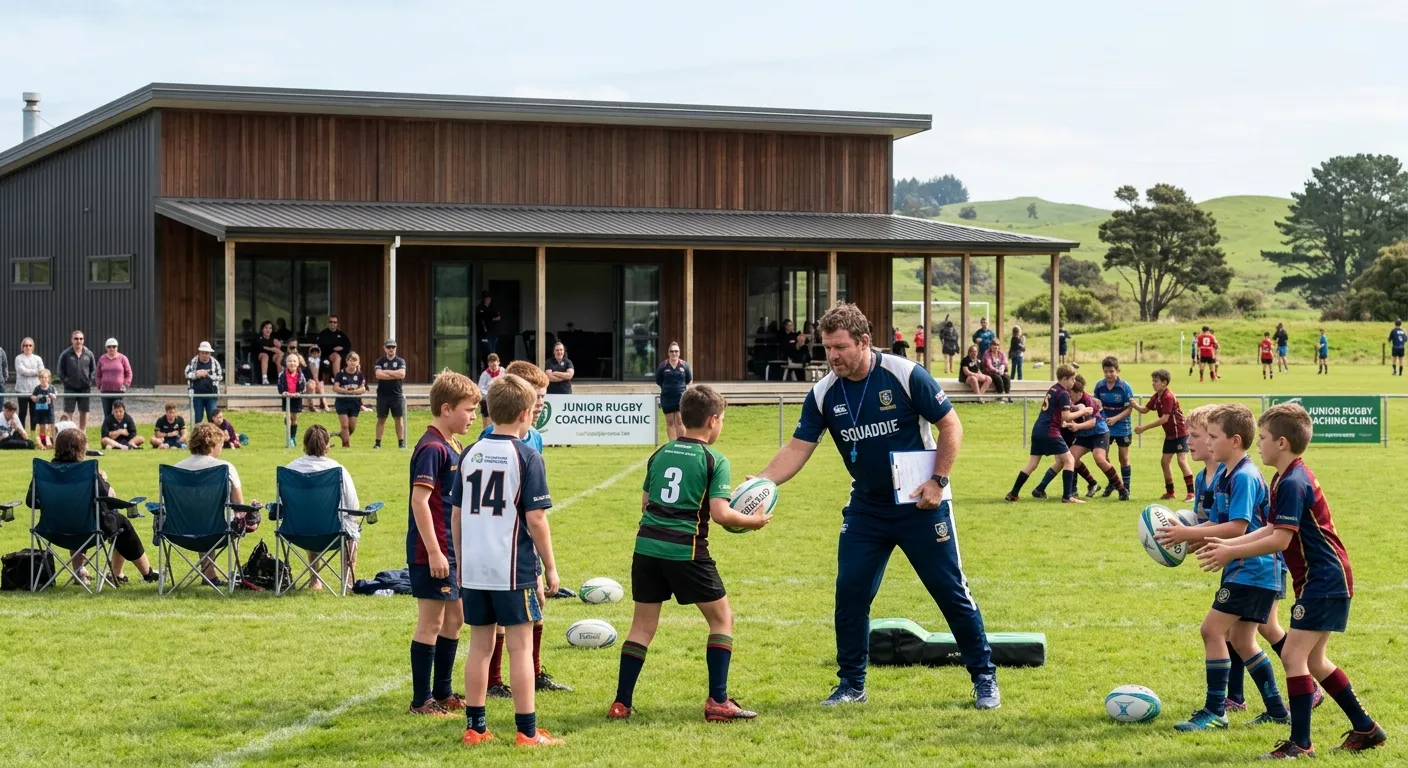
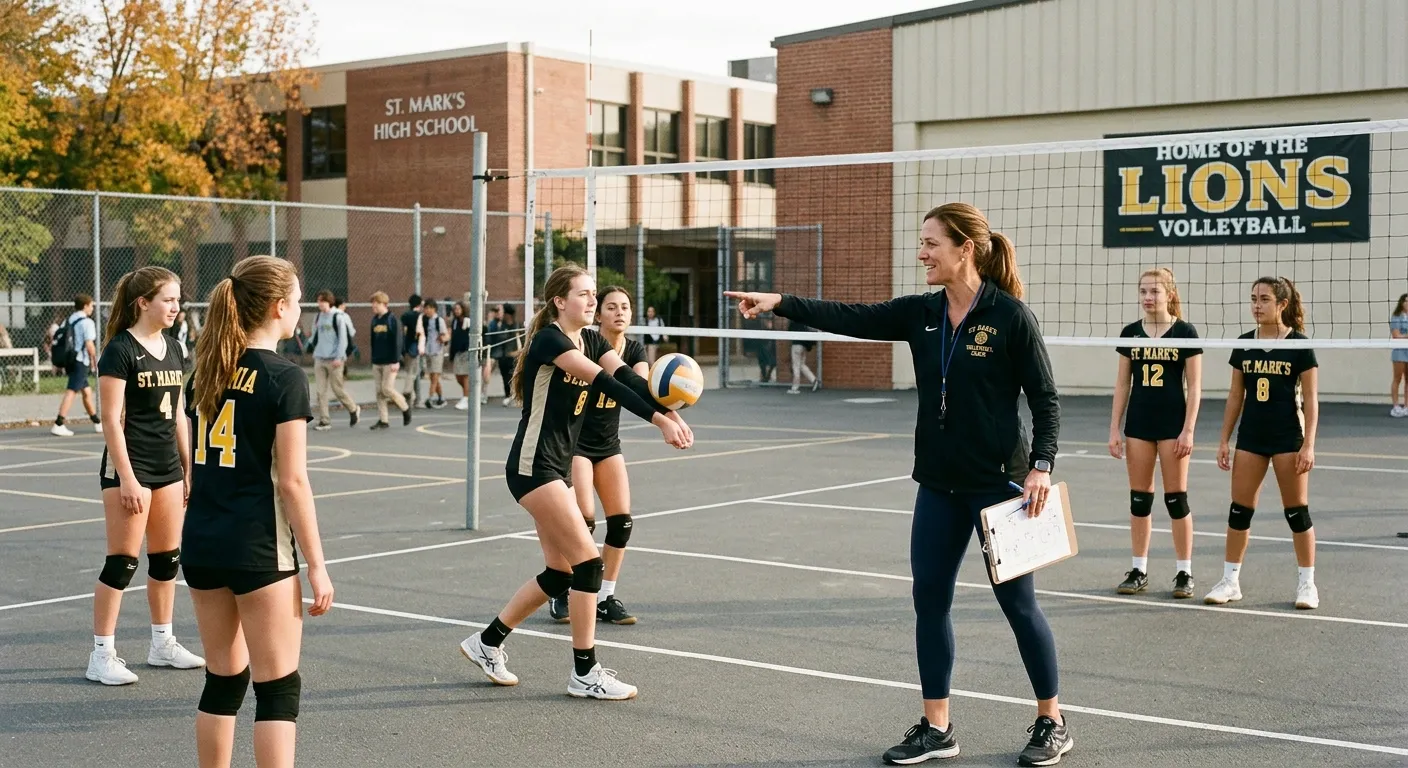
Junior sport here is not just the adult game with smaller players. Nearly every code plays modified formats with their own player counts, court sizes and rules — and they change as children move up.
How do age groups work in NZ junior sport?
For a coach this has one immediate practical consequence: the thing you need to know is not your players' ages but which format your grade plays, because that determines how many are on at once — and therefore your whole rotation.
What changes as children move up
The general shape of junior progression across codes. Specifics differ by sport and region.
| Year level | Typically | What a coach is mostly doing |
|---|---|---|
| Year 1–2 | Very small-sided, short games, minimal rules, often no score kept | Fun, involvement, basic movement. Everyone plays constantly |
| Year 3–4 | Modified format, fewer players, smaller court or field | Fundamentals and confidence. Rotating through positions |
| Year 5–6 | Modified format closer to the full game, positions introduced properly | Skills plus first real understanding of positional roles |
| Year 7–8 | Usually at or near the full format and player count | The full game, with rotation still expected in most grades |
| Year 9–10 | Full format, graded competition | Team play and tactics. Some grades select on merit |
| Year 11–13 | Full format, competitive and representative pathways | Performance, with playing time usually earned |
Indicative only. Junior formats are set by regional associations and revised between seasons — your competition handbook is the authority.
Modified formats by sport
Each code has its own junior pathway with its own naming. Across the sports Squaddie supports, the ones you will hear include futureFERNS in netball, the Sticks programmes in hockey (Mini Sticks, Kiwi Sticks and Kwik Sticks), Flippa Ball in water polo, and small-sided football played from around five a side upwards.
The detail that matters for planning is the player count, because it sets your rotation maths. Netball played six a side over four quarters is 24 on-court slots rather than 28, which changes which squad sizes can share time evenly. The rotation guide has that arithmetic, and the free netball rotation generator includes the futureFERNS five- and six-a-side presets alongside full court.
For the formats, positions and timings themselves, the rules pages cover seven sports and name the governing body each one follows. They are free and need no account.
Rules, formats and positions
Netball rules & formats
Positions, thirds, quarters and the futureFERNS junior formats.
Football rules & formats
Small-sided junior formats through to 11 a side.
Basketball rules & formats
Court, positions and timing, including junior variations.
Volleyball rules & formats
Rotation order, sets and scoring.
Hockey rules & formats
The Sticks pathway and rolling substitutions.
Water polo rules & formats
Flippa Ball through to senior quarters.
What junior sport is for
Worth stating, because it shapes every decision a junior coach makes. The modified formats exist to maximise involvement: more touches, more decisions, more of the game for every child. That is also the reasoning behind the fair-game-time expectation in junior grades — a child who plays one quarter has had a fraction of the development opportunity of a child who played four, regardless of how the scoreboard looked.
The practical version for a coach: game time is not a reward to distribute, it is the thing the whole exercise consists of. Fair playing time in junior sport covers how to handle that when the numbers do not divide evenly, which they usually do not.
Last reviewed: September 2026
Common questions
What age is junior sport in New Zealand?
Broadly Year 1 to Year 8, so roughly ages 5 to 13, though "junior" is used loosely and some codes extend it further. Secondary school sport from Year 9 is usually treated separately, with its own competitions and a shift towards graded and representative teams.
What is futureFERNS?
Netball New Zealand's junior netball pathway, which uses modified small-sided formats for younger year levels before progressing to full seven-a-side netball. Player counts and rules vary by year level and by region, so confirm with your local netball centre. The <a href="/learn/netball/rules">netball rules page</a> covers the format detail.
Why does junior sport use modified formats?
To increase involvement. Fewer players on a smaller court means more touches, more decisions and more of the game for every child, which is better for both development and enjoyment than a full-sized game where a few players dominate.
How many players should a junior team have?
Enough to cover absences without leaving anyone with token game time. For a seven-a-side sport over four quarters, nine to twelve usually works; much above fourteen and individual game time gets thin unless you rotate in shorter blocks. The <a href="/coaching/player-rotations">rotation guide</a> has slot counts by sport.
Where do I find my grade's exact format?
Your regional association or regional sports trust, via your club or school. These change between seasons and differ by region, which is why we point at the handbook rather than publishing a definitive national table — our <a href="/learn/netball/rules">rules pages</a> give the general formats with a review date and name the governing body.
Formats handled, rotations sorted.
Squaddie carries NZ junior formats as real formats, so the rotation maths is right for the grade you actually coach.
Get started freeFree forever for your first team · No credit card